CPT 97110: therapeutic exercise
2026-10-18 · 8 min read
The most-billed code in outpatient physical therapy, and the one most often denied — almost never because the exercise was wrong, and almost always because the note did not show why a licensed clinician had to be in the room.

What 97110 covers
97110 is therapeutic exercise: work aimed at strength, endurance, range of motion or flexibility in one or more body areas. It is a timed code, billed in 15-minute units of direct one-to-one contact, and it is the workhorse of an outpatient caseload — the straight-leg raise, the loaded squat pattern, the resisted external rotation.
The breadth is the problem. Because almost any exercise fits the descriptor, the code carries no information on its own. Everything a reviewer needs has to come from the note.
Timed means your minutes
The clock runs on direct one-to-one contact. A patient cycling alone while you write is not 97110 time, however much it improves their endurance.
Counting the units
Units come from the day’s total timed minutes, not from 97110 in isolation. Twenty-three minutes of exercise is two units on its own — and might be only one once the rest of the visit is counted, because the total-minutes table caps the day.
| Visit | Minutes | Units billable |
|---|---|---|
| 97110 alone | 23 | 2 |
| 97110 + 97140 | 23 + 13 = 36 | 2 total |
| 97110 + 97140 + 97530 | 23 + 13 + 9 = 45 | 3 total |
The arithmetic is worth running rather than eyeballing: the units calculator applies the CMS table and shows the difference between per-code rounding and the day cap.
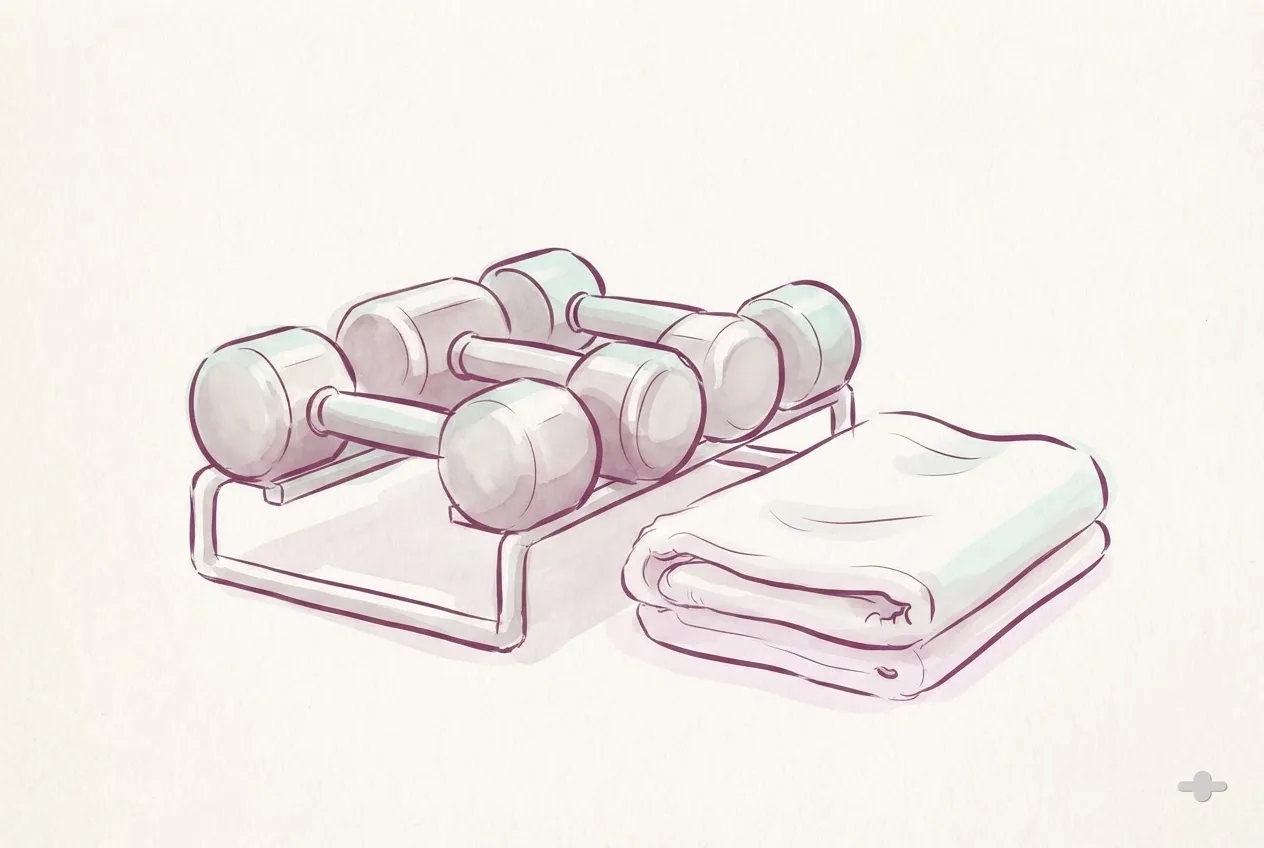
97110 or 97530
The line is impairment versus task. 97110 targets a component — this muscle, this arc, this endurance limit. 97530 targets a functional activity built out of several components at once: lifting a box to a shelf, carrying a bag up stairs.
A seated knee extension is 97110 in every reading. A sit-to-stand drilled for hip-hinge quality is arguable and usually 97110; the same sit-to-stand embedded in a transfer-and-carry sequence is 97530. Say which framing you used in the objective and the argument is over before it starts. The 97530 guide covers the same line from the other side.
What the note must say
Three things, every visit: what you did with enough specificity that another clinician could repeat it, what changed, and why it needed you. “Therex 2 units” fails all three. “Sit-to-stand 3 × 10 with verbal cueing for hip hinge; flexion 55°, was 40°; cueing still required under fatigue” passes all three in one line.
If the sentence would be equally true of any patient on any day, it is not documentation.
The SOAP note builder lays those three out in the order a reviewer reads them.
Why it gets denied
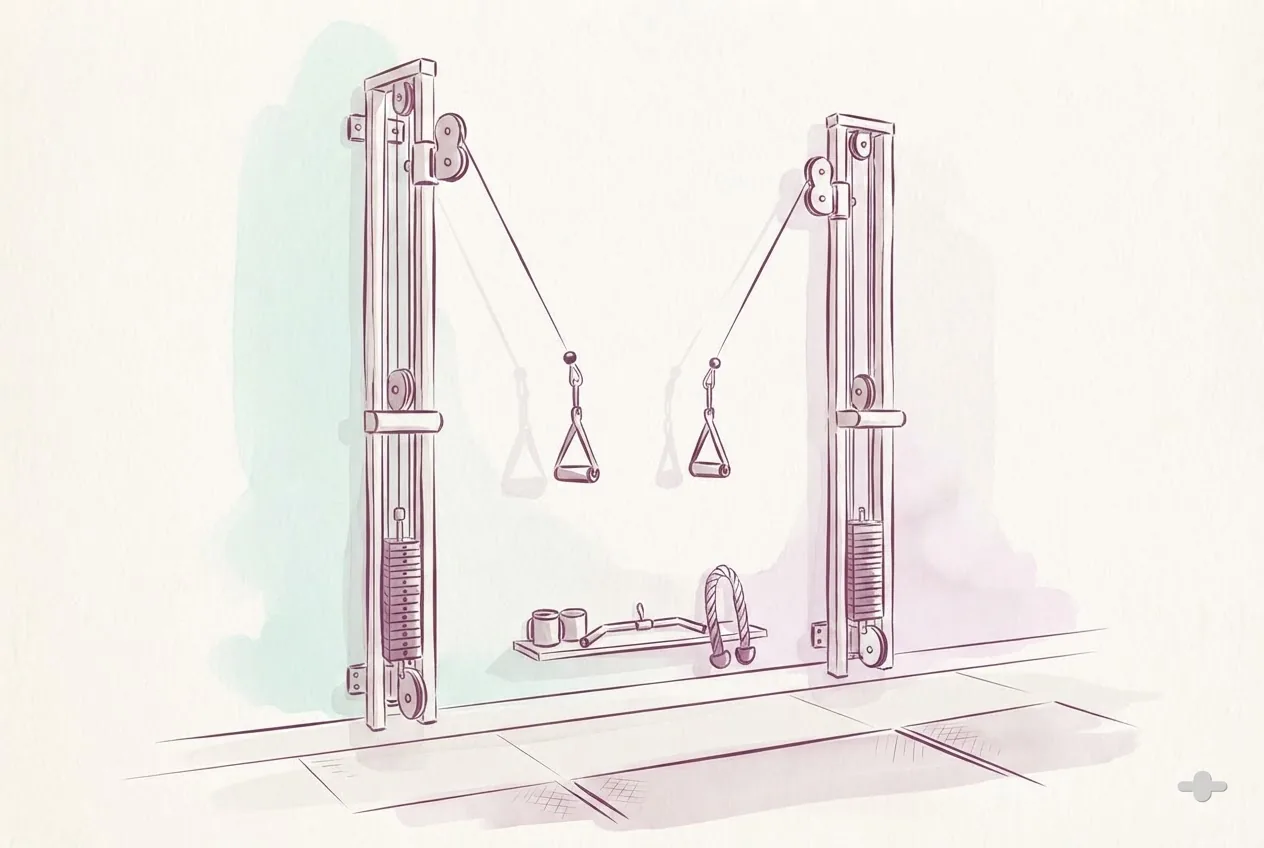
Four patterns cover most of it. Repetition — the identical exercise list for eight visits, with no progression, reads as an independent programme. No measurement — nothing objective moved, so nothing shows the intervention worked. Volume — more units than the day’s total minutes allow. And the missing assessment — the note describes a treatment and never says why a licensed clinician was required.
The eight-visit copy-paste
Reviewers pull consecutive notes and read them side by side. Identical objective sections with a rising visit count is the single fastest way to lose an episode of care, and no appeal recovers it.
Red flag — refer out
Exercise that reproduces progressive neurological signs, or a patient whose pain climbs night on night against a reasonable plan, is not a coding problem. Stop and refer.
Unit rules: CMS Pub. 100-04 Medicare Claims Processing Manual, Chapter 5, §20.2.C — Counting Minutes for Timed Codes in 15 Minute Units, read 2026-10-18. CPT is a trademark of the American Medical Association; descriptions here are our own summaries.
Sources
- American Medical Association — Current Procedural Terminology (CPT) — CPT is an AMA trademark; the official descriptors are the AMA's and are paraphrased here, never reproduced · read 2026-09-04
- CMS Pub. 100-04, Medicare Claims Processing Manual, Chapter 5 §20.2.C — counting minutes for timed codes in 15-minute units · read 2026-10-18
Keep reading
CPT 97530: therapeutic activities
How 97530 differs from 97110, and when payers expect one over the other.
CPT 97140: manual therapy
Manual therapy billing, the 59/XS modifier question and the region rules.
CPT 97112: neuromuscular re-education
Balance, proprioception and coordination work: what earns 97112.
A physical therapy SOAP note, line by line
A full worked note, line by line, with the weak version beside the strong one.
Published 2026-09-04 · reviewed 2026-10-18