Chiropractic SOAP notes: three examples
2026-09-04 · 9 min read
The same four letters, three very different jobs. What changes between them is not the format — it is which question the note has to answer.
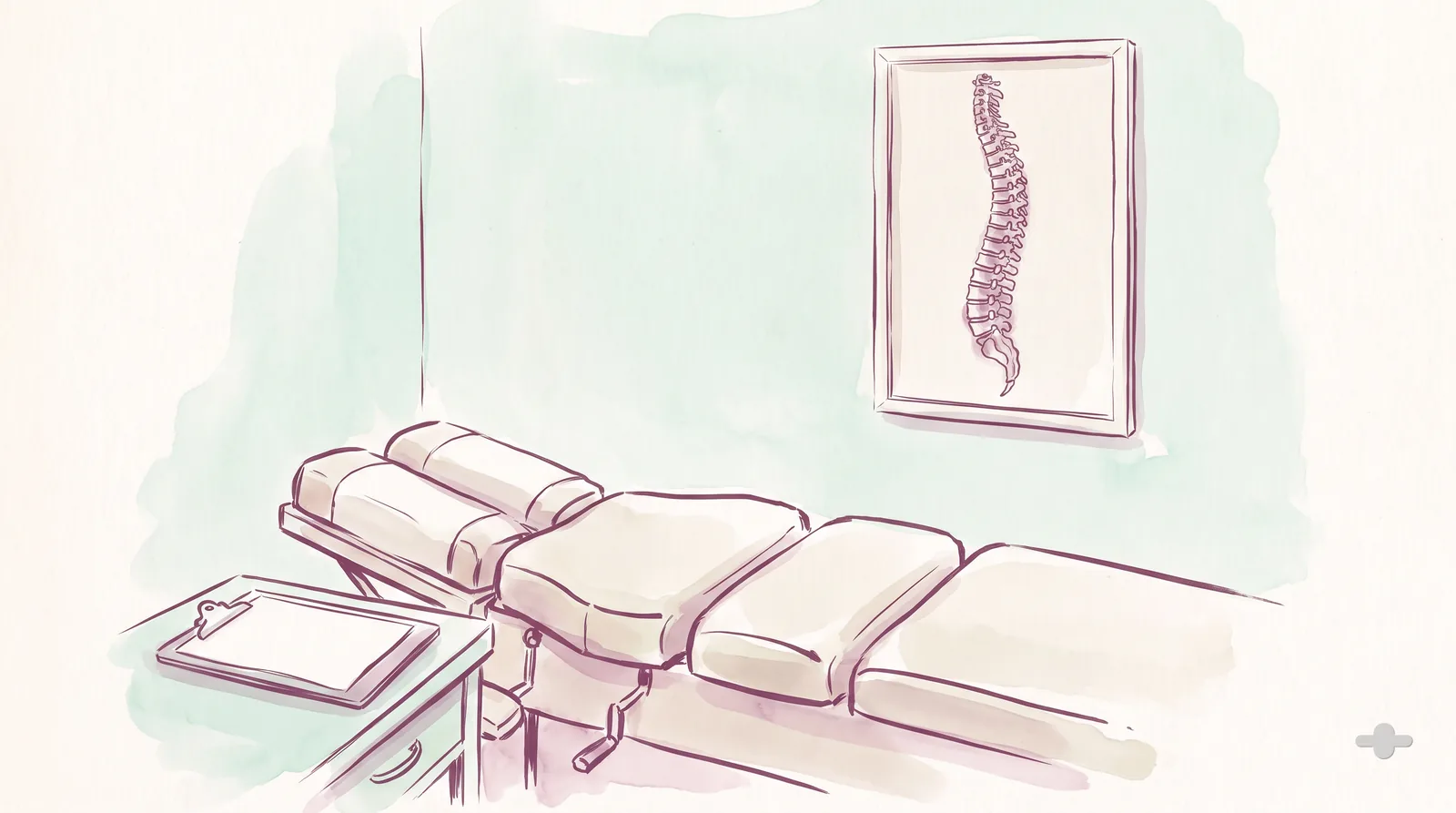
An acute lumbar visit
Visit 3 of 12, acute lumbar strain
S
Low back pain 5/10, was 8/10 at the first visit four days ago. Can now put socks on standing. Sleeping through the night for two nights. No leg symptoms.
O
Lumbar flexion 45° pre, 58° post. Restriction palpated L4-L5 and at the right SI joint; paraspinal guarding L3-L5 reduced from visit 1. CMT, 2 regions (lumbar, pelvic): L4-L5 side posture left, right SI drop. Post-adjustment straight-leg raise 70° bilaterally, symmetrical.
A
Rapid improvement over three visits with an objective 13° gain in flexion within the session. Active care remains appropriate; the presentation is still changing visit to visit.
P
2× this week, then reassess. Home: supine knee rocks 2 × 10, walking 15 min daily. Discharge target flexion ≥ 60° pain-free with a full return to gym lifting.
The pre-and-post flexion measurement is doing the heavy lifting. It converts “patient felt looser” into a number, and it makes the assessment sentence writeable in six seconds.
A maintenance visit
Ongoing supportive care, cash pay
S
No new complaint. Comes monthly; says a session keeps the mid-back settled through desk weeks. Pain 2/10, unchanged from last month.
O
Thoracic extension mildly restricted T4-T7, unchanged from the previous visit. CMT, 1 region (thoracic): T5 prone posterior-to-anterior. No change in measured range post-adjustment.
A
Stable presentation with no measurable change over three monthly visits. This is supportive/maintenance care, not active treatment — discussed with the patient, who elects to continue on a cash basis.
P
Monthly, patient-directed. No new home programme. Re-examine if the pattern changes or a new complaint appears.
Say the word
The note above uses “maintenance” explicitly. That single word is what keeps the visit honest — and it is why the AT modifier does not belong on the claim. A note that reads like active care while the pattern is plainly supportive is the shape audits are built to find.
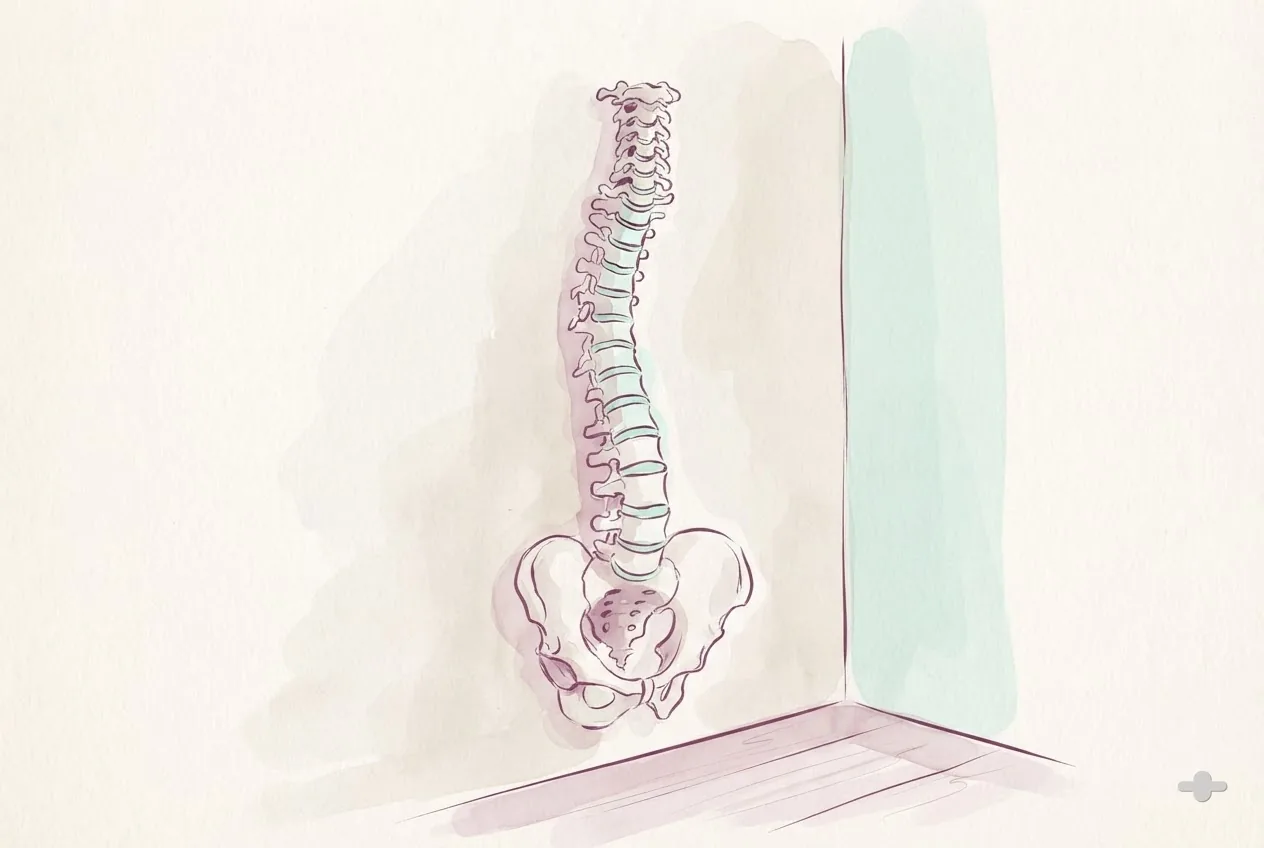
A re-examination
Visit 12, formal re-examination
S
Neck pain now 2/10, was 7/10 twelve visits ago. Headaches gone for three weeks. Returned to swimming twice weekly with no flare.
O
Cervical rotation L 74°, R 78° (48°/62° at initial). Extension 60°. Deep neck flexor endurance 32 s, was 11 s. Palpation: no reproducible restriction cervical or thoracic today. No CMT performed this visit.
A
Goals met: rotation within 6° of the reference range bilaterally, headaches resolved four weeks, function restored. No further active care indicated.
P
Discharge to a self-managed programme: chin tucks 3 × 10 daily, doorway pec stretch. Return if headaches recur or rotation drops below 65°.
Notice what is absent: no adjustment, and therefore no CMT code. A re-examination that ends in discharge is the strongest document in a chiropractic chart, because it proves the practice knows how to stop.
What all three share
A note is written for the version of you who has forgotten this visit, and for the reviewer who was never in the room.
Each names the regions treated, so the code follows the note rather than the reverse. Each answers the active-versus-maintenance question in the assessment, in words. And each carries at least one number that will be compared against something. The note builder keeps those three in front of you while you type, and the code guide covers how the region count maps to 98940 through 98943.
Red flag — refer out
None of these three patients had a red flag. A fourth — new radicular weakness, a suspected fracture, unexplained weight loss — gets no adjustment and a same-day referral.
Sources
- American Medical Association — Current Procedural Terminology (CPT) — CPT is an AMA trademark; the official descriptors are the AMA's and are paraphrased here, never reproduced · read 2026-09-04
Keep reading
Physical therapy documentation cheat sheet
The phrases that show skilled care, and the ones that invite a denial.
Physical therapy documentation templates
Evaluation, daily note, progress note and discharge — what each one must carry.
Physical therapy documentation software
WebPT and Jane on published price, note speed and billing depth.
QuickDASH score calculator
Score the 11-item QuickDASH, its work and sport modules, and the change since baseline.
Published 2026-09-04 · reviewed 2026-09-04